
Retrofits · July 26, 2022
Reduce, then produce
Solar on a leaky house is an expensive way to heat the sky. The order of operations still matters — envelope, equipment, then generation.
6 minute read · Anchors Aweigh Energy
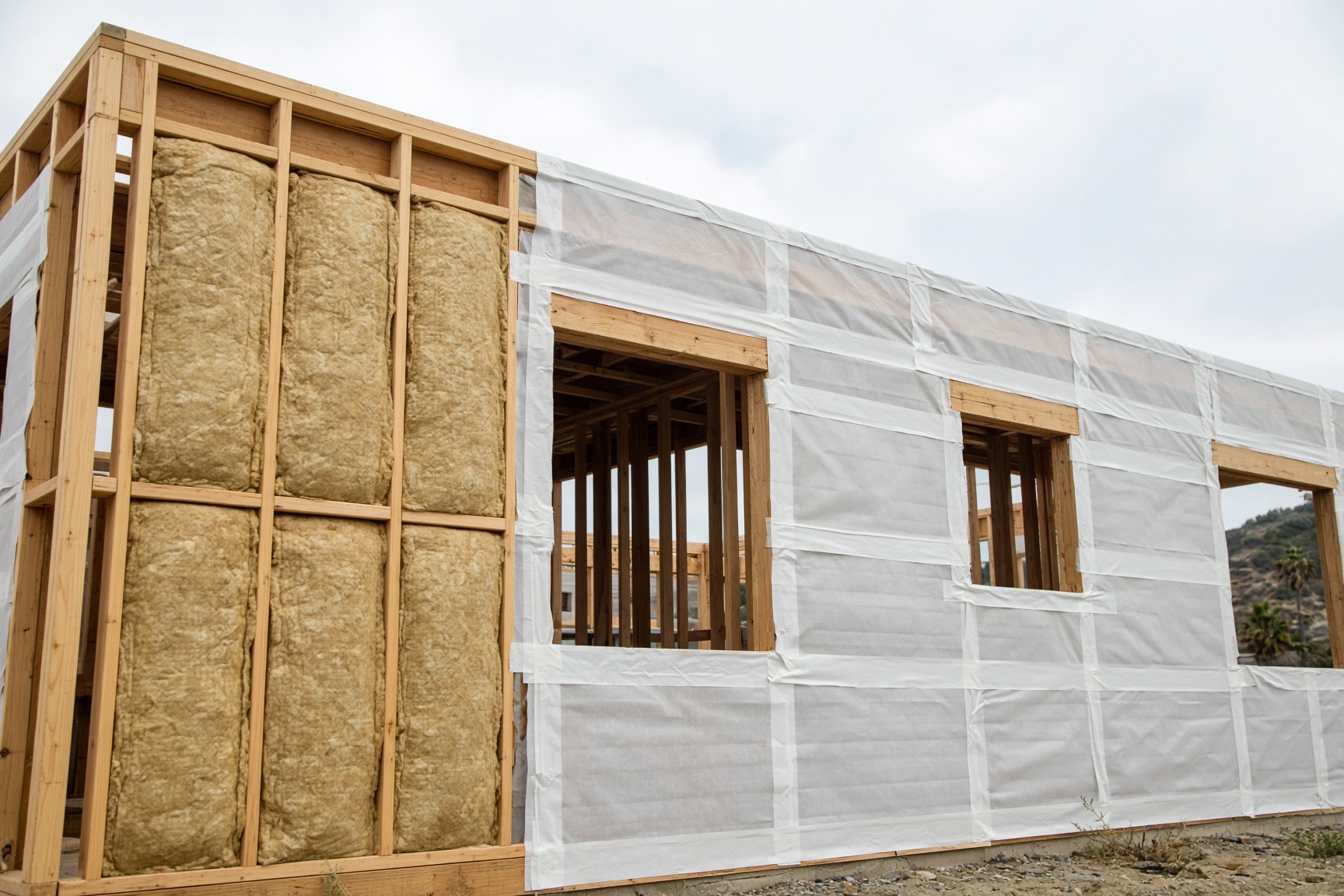
The cheapest kilowatt-hour is the one you do not use. That sentence is old enough to be a bumper sticker, and it is still the right sequence for a California retrofit. Panels are visible. Attic bypasses are not. Guess which one the bill actually cares about.
Why the order is not optional
If the ducts leak 20 percent of the air into a 130-degree attic, a new heat pump will faithfully manufacture expensive cool air and hand a fifth of it to the pigeons. If the envelope leaks, a battery will cycle harder than it should. Generation and storage amplify whatever the house already is.
- Air-seal and insulate the attic plane you actually live under.
- Fix duct leakage and airflow before you replace the condenser.
- Right-size the new equipment to the house you will have, not the house you had.
- Then size solar and storage to the new, smaller load.
This is not anti-solar. California’s climate and rate structure make on-site generation a serious tool. It is anti-waste. A smaller array on a tighter house outperforms a large array on a sieve, and it leaves roof for the next owner.
What we measure first
A blower door tells us how the house leaks. A duct test tells us how the distribution system leaks. Infrared, used carefully, shows where the two meet. Those three things usually decide whether you should spend this year’s money on the roof or on the attic hatch.
If you already have a solar proposal in hand, bring it. We will tell you whether the production estimate assumes a house that does not exist yet.